When we think about workplace wellness, we often focus on ergonomics, coffee breaks, or productivity hacks. Yet the design and energy of your workspace may be quietly shaping your hormones and emotional wellbeing every single day. The connection between our environment, stress response, and hormonal health is profound, and small adjustments can make a meaningful difference.
Cortisol, commonly called the “stress hormone,” plays a central role in how our bodies respond to pressure. In short bursts, cortisol can boost focus and energy during deadlines. However, chronic stress, which is all too common in modern office settings, can lead to sustained high cortisol levels. Over time, this not only disrupts sleep and mood, but also interferes with reproductive hormones like estrogen and testosterone, as well as insulin and thyroid function, which are essential for energy, metabolism, and overall wellbeing. The spaces where we work can either exacerbate or buffer these stress responses. Cluttered, noisy, or dimly lit environments can keep our stress levels elevated, while organized, calming, and personally meaningful workspaces can support emotional regulation and hormonal balance.
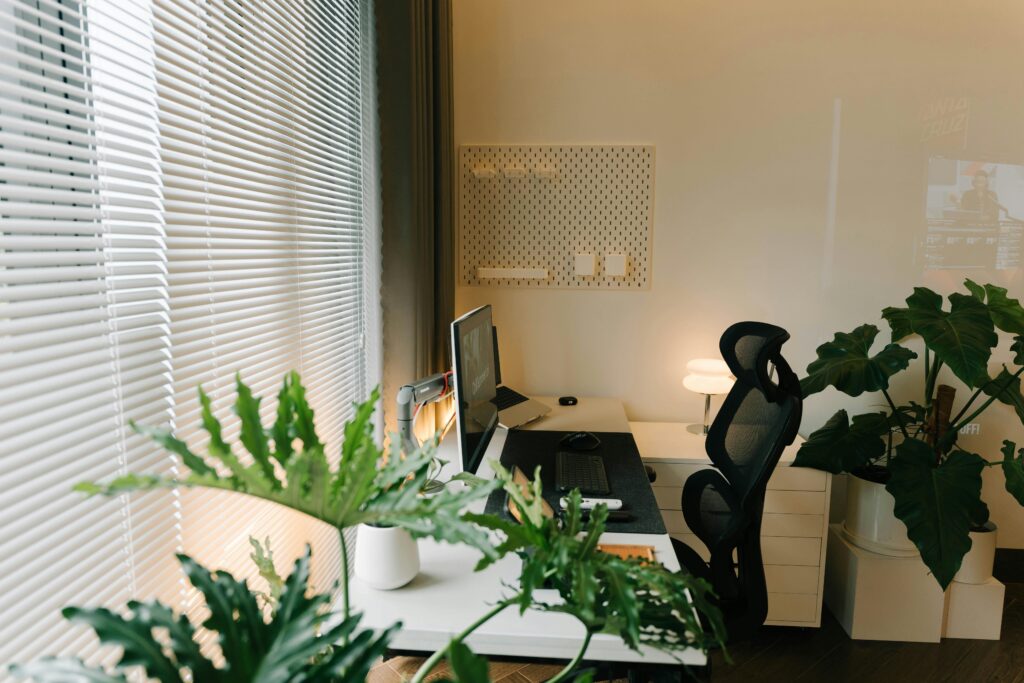
Creating a hormone-supportive workspace does not have to be complicated. Exposure to natural light helps regulate circadian rhythms, supporting healthy cortisol and melatonin cycles. Even small bouts of movement, like stretching or short walks, can reset stress hormones and enhance focus. Curating your desk with calming elements such as plants, soothing textures, or meaningful objects can activate the parasympathetic nervous system, helping your body enter a “rest and digest” state. Mindful micro-practices, including brief breathing exercises or short meditations, are powerful tools to lower cortisol and enhance emotional resilience throughout the day.
Sound and digital environments also play a role in hormonal regulation. Minimizing unnecessary notifications and controlling background noise through noise-canceling headphones or soft, steady music can reduce chronic stress signals. Nutrition and hydration, often overlooked at work, are equally important, as consistent meals and adequate water intake help stabilize blood sugar and support energy levels, while skipped meals or processed foods can exacerbate stress hormone fluctuations.
Ultimately, optimizing your workspace is not just about comfort, it is about creating a daily environment that actively supports hormonal balance, mental clarity, and emotional wellbeing. When organizations and individuals recognize that subtle factors like light, sound, movement, and mindful pauses influence stress and hormonal health, we can approach workplace wellness with a more holistic lens. The spaces we inhabit communicate with our nervous system in ways we often underestimate, and by intentionally designing work environments with hormonal and emotional health in mind, we are not just reducing stress, we are supporting long-term performance, focus, and resilience.