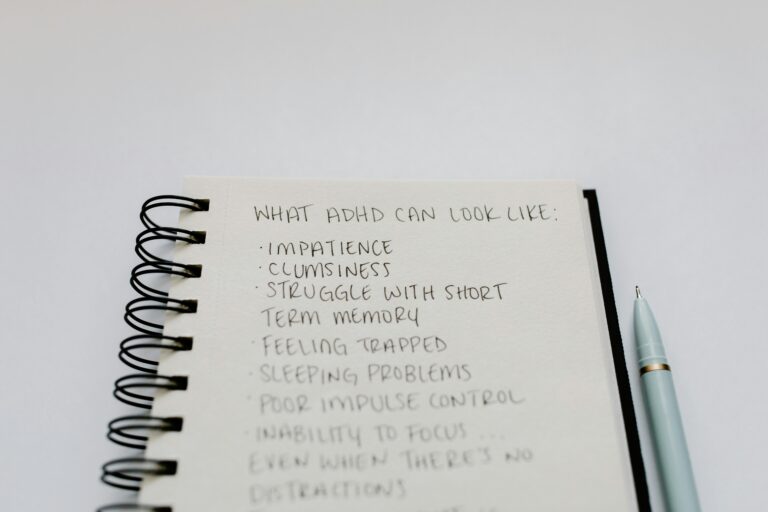
Most people associate ADHD with difficulty focusing, forgetfulness, or disorganization. While those experiences are common, there is another side of ADHD that often goes overlooked: emotional dysregulation.
For many adults and teens with ADHD, emotions can feel intense, immediate, and difficult to manage. Minor frustrations may quickly become overwhelming. Criticism can feel deeply personal. Stress may lead to emotional shutdown, irritability, or impulsive reactions that do not reflect the person’s true intentions. Yet this aspect of ADHD is rarely discussed openly.
Many individuals grow up believing they are “too sensitive,” “overreactive,” or “bad at coping,” without realizing that their nervous system may process emotions differently. ADHD affects the brain’s executive functioning systems, which are responsible not only for attention and organization, but also for impulse control and emotional regulation. This means emotions may arrive faster and more intensely, while the brain’s ability to pause, reflect, and regulate takes longer to engage.
As a result, people with ADHD may struggle to calm down after conflict, experience strong reactions to criticism or rejection, or feel emotionally exhausted after masking symptoms throughout the day. Some find themselves communicating impulsively during moments of stress and then feeling guilt or shame afterward. Others experience cycles of perfectionism, self-criticism, and burnout that can quietly affect every part of life, including relationships, work performance, parenting, and self-esteem.
One particularly important experience to acknowledge is rejection sensitivity. Many people with ADHD describe intense emotional responses to criticism, exclusion, or perceived disappointment from others. A delayed text response, brief feedback from a supervisor, or a shift in someone’s tone can trigger feelings of shame, anxiety, or emotional spiraling. These reactions are often misunderstood by others and even by the individuals experiencing them.
Unfortunately, many people with ADHD spend years being labeled as “dramatic,” “lazy,” “too emotional,” or “difficult,” when in reality they are navigating a neurodevelopmental condition without the right support or understanding. Over time, these experiences can shape how someone sees themselves and can contribute to anxiety, depression, low self-worth, and chronic stress.
The good news is that emotional regulation skills can absolutely be developed. Therapy can help individuals with ADHD better understand their emotional patterns, identify triggers before escalation, and build coping strategies that work with their nervous system rather than against it. It can also help address the shame and self-criticism that many people carry after years of feeling misunderstood.
For many clients, one of the most powerful moments in therapy is realizing that they are not failing at life. Their brain simply works differently.
That shift is so important.
When ADHD is viewed only through the lens of productivity or focus, we miss the emotional burden many individuals carry privately every day. We also miss opportunities for earlier support, healthier relationships, and more sustainable coping strategies. The more we broaden the conversation around ADHD, the more people will recognize themselves in it and seek support without shame.